
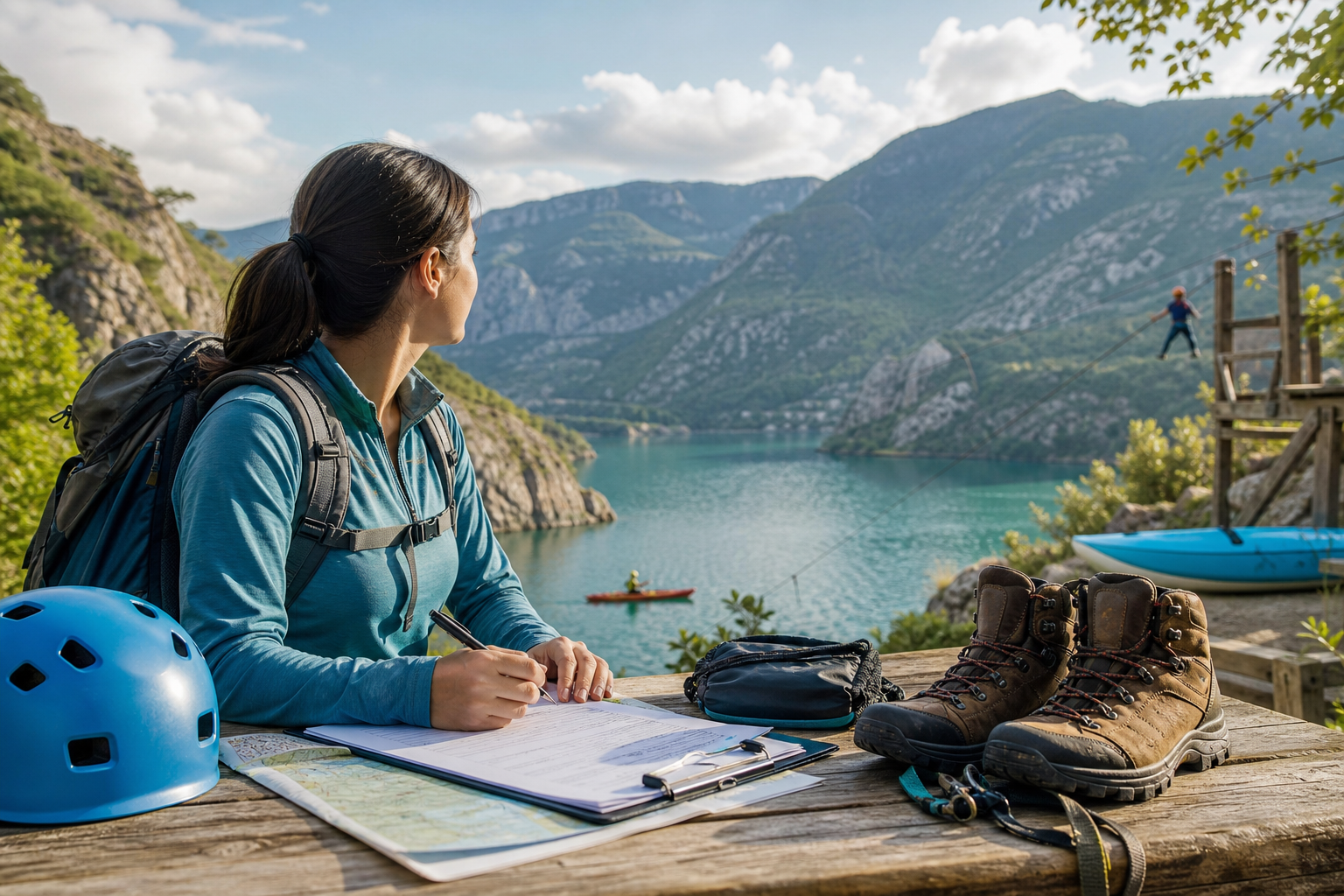
One of the most common travel insurance mistakes Australians make is assuming that adventure activities are included in a standard policy. Many are not, and finding out after an accident is a very expensive lesson.
Why Standard Policies Often Exclude Adventure Activities
Standard travel insurance policies are priced for typical tourist activities, sightseeing, dining, beach relaxation, mild hiking. Adventure sports carry higher injury probabilities, and so insurers either exclude them entirely or charge additional premiums to cover the increased risk.
Commonly Excluded Activities (Standard Policies)
- Scuba diving below 18–30 metres (depth limits vary by insurer)
- Motorcycling or scooter riding (often requires valid home-country licence)
- Skiing and snowboarding (usually requires a winter sports add-on)
- White-water rafting (Grade 3+ typically excluded)
- Rock climbing and mountaineering
- Bungee jumping, skydiving, and base jumping
- Kitesurfing and windsurfing
- Quad bikes and ATVs
Typically Covered Activities (Standard Policies)
- Snorkelling
- Recreational cycling (non-competitive)
- Guided day hikes and trekking (below a certain altitude)
- Surfing at recognised surf beaches
- Kayaking and paddleboarding in calm water
- Supervised horse riding
Adventure Add-Ons: What to Look For
Many insurers offer adventure sport packs or extensions. When evaluating these, check the specific activity list, any depth or altitude limits, guide or supervision requirements, and whether hired equipment is covered for damage.
My Activity Isn’t on the List, What Do I Do?
Call the insurer before purchasing and ask directly: “I plan to [activity], is this covered under your standard policy or do I need an add-on?” Get confirmation in writing. If it’s not covered, ask if an extension is available, or compare other insurers.